What is a brand video?
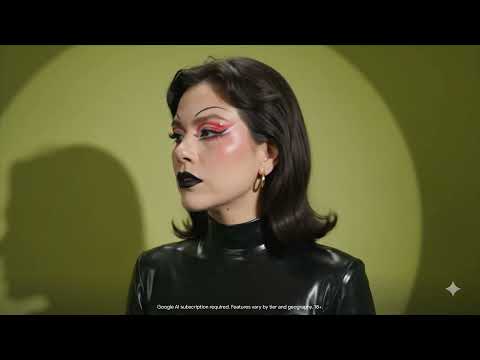
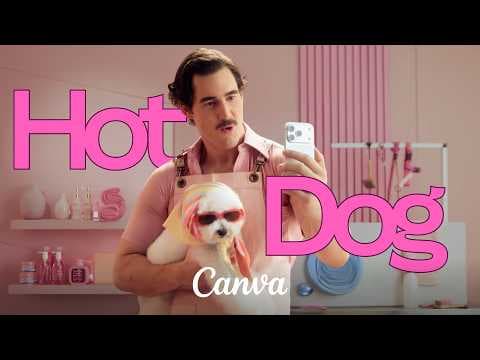
A brand video communicates who a company is, what it believes, and why it exists — without selling a specific product. It builds long-term affinity through tone, craft, and storytelling rather than direct conversion, and usually runs 30 to 120 seconds.
Brand video is the slowest-burning asset in a marketing library, and often the most-watched once it finds an audience. Where product video sells a tool, brand video sells the company's point of view: the reason it exists, the people it stands for, and the future it is trying to build.
You can usually tell a brand video by what it leaves out. There is rarely a price, rarely a feature list, and the call to action — if it exists at all — is small and at the end. The work is done by the imagery, the voice, and the editing rhythm. Apple's "Think Different," Nike's "Just Do It" spots, and Airbnb's "Belong Anywhere" are textbook examples.
For smaller brands, this format is risky and rewarding. A poorly-made brand video reads as expensive and pointless. A well-made one establishes a personality that every other piece of communication then borrows from for years.
Frequently asked questions
When should a startup invest in a brand video?
Usually after product–market fit and before a major scaling moment — a Series B, an international launch, a category reset. Before then, the money is almost always better spent on product video and customer stories that ship measurable pipeline.
How is a brand video different from a manifesto video?
A manifesto video is a sub-genre of brand video built around a written declaration — usually voiced as a single statement of belief. All manifesto videos are brand videos; not all brand videos are manifestos.
Do brand videos need a call to action?
A soft one, at most. The job of a brand video is to be remembered, not to convert in the next 30 seconds. A logo card and a URL is usually enough. Anything heavier breaks the spell.